
According to a report by Martyn Ziegler of The Times, the European Leagues organization stated that the FIFA president's decision to abandon the previously proposed FFE plan, which aimed to sell FIFA's commercial and event-related assets, was the only reasonable outcome given the reactions from all parties in the football community.
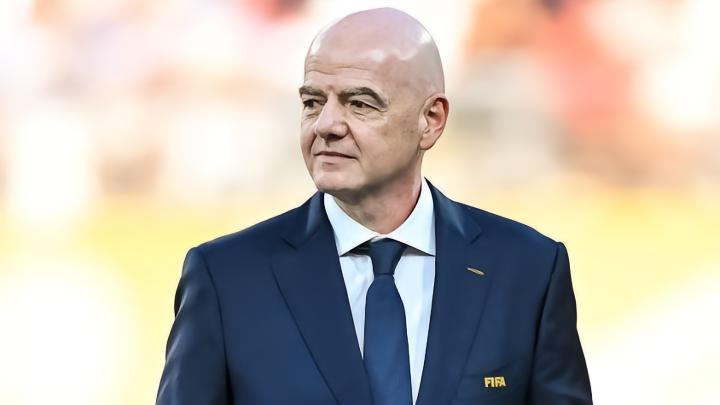
However, strong opposition to this dangerous idea and the opaque decision-making process behind it has also raised serious questions about FIFA's governance, internal culture, and decision-making mechanisms.
In this sense, we cannot ignore the fact that on Thursday, July 30, amidst the huge controversy surrounding the FFE project, FIFA shared a “study briefing” with its member associations in hopes of pushing forward the plan to expand the 2030 Men’s World Cup to 64 teams.
Like the abandoned FFE project, this new proposal also involves an unrealistic evaluation timeline (only 4 weeks) and completely fails to consult the leagues, clubs, and players whose plans and livelihoods will be most affected.
We must be clear: FIFA cannot continue to make unilateral and destructive decisions that disregard the interests of leagues, clubs, players, and fans. It is the long-term efforts and dedication of these groups that have driven the value of international football competitions.
More urgently than ever, FIFA needs to reform its governance to ensure that all stakeholders can formally participate in decisions that will influence the future of football.
Recent events have once again highlighted the systemic issues that led the European Leagues to file a formal complaint with the European Commission in October 2024. This complaint concerns a conflict of interest arising from FIFA's dual role as both a regulatory body and a commercial operator.
Over the past two years, we have had several productive talks with the European Commission and remain confident that the Commission will take the necessary actions to protect fair competition and ensure that FIFA complies with the principles previously established by the Court of Justice of the European Union.
Until the reforms are completed—including establishing a legally binding mechanism that involves all relevant football stakeholders in the decision-making process—the European Leagues will refuse to support plans to expand FIFA events or create new ones.